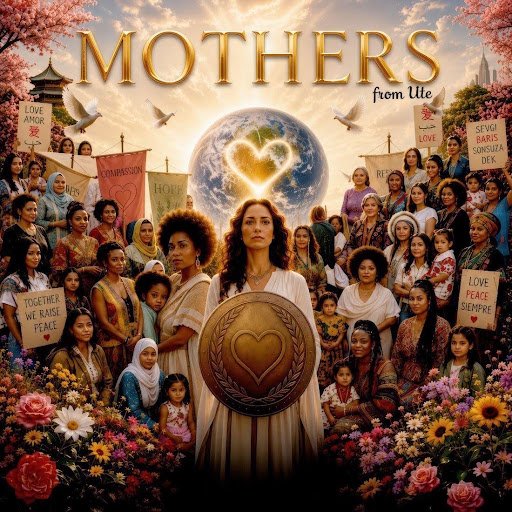

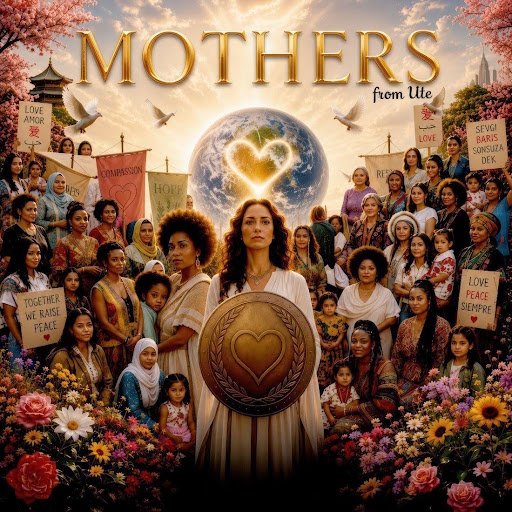
Some songs arrive quickly. Ute Lemper’s MOTHERS took a considerably longer route, beginning as music for a European television program before eventually developing into a 17-language international peace project.
Lemper originally wrote “MOTHERS” while hosting a television series centered on motherhood. Over three seasons, the program brought her into conversations with women from different professional backgrounds, including athletes, doctors and politicians. She wrote and recorded a song for the series, only for the show’s producers to use instrumental music instead.
The unused composition stayed with her. Years later, wars in Ukraine and the Middle East, a changing geopolitical climate and growing concern about the world facing her own four children led Lemper back to the song. She revised its lyrics, expanded its themes and began imagining a version that could move beyond a single language.
That transformation reaches the public with the September 21 release of MOTHERS, timed to the International Day of Peace. The finished project now spans English, Spanish, Portuguese, German, Italian, Hebrew, Arabic, Ukrainian, Russian, Turkish, Hindi, Chinese, Japanese, Swahili, Farsi, French and Kurdish.
Its ideas have expanded alongside its scale. Motherhood remains the emotional starting point, but the song now moves through questions of freedom, equality, tolerance, dignity, political rights and women’s emancipation. Children eventually become the primary focus, placing the future generation at the end of a composition concerned with decisions being made in the present.
Musically, the different versions also move beyond straightforward language substitutions. Lemper used AI-assisted production to explore arrangements tied to different musical traditions while preserving the song she had written. Its various forms touch on American soul and R&B, Brazilian rhythms and musical traditions associated with regions including the Middle East, Asia and Eastern Europe.
The official “MOTHERS” video places these concerns against images of both hope and unrest. Footage of demonstrations and protests gives the release a documentary edge, acknowledging the movements and conflicts taking place outside the studio while keeping the song focused on the human consequences behind them.
The project’s history also intersects naturally with Lemper’s established body of work. Her interpretation of Brecht and Weill, her engagement with the cultural history of Weimar Germany and projects including Songs for Eternity have repeatedly drawn connections between music, political conscience and historical memory.
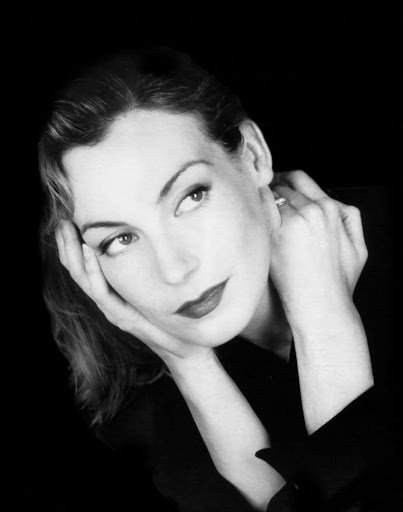
That continuity helps explain why MOTHERS feels less like a standalone protest release than another chapter in a much longer conversation. Lemper has spent decades moving between theater, cabaret, jazz, composition and historical repertoire while returning frequently to questions of justice, freedom and collective memory.
The song’s second life may continue well beyond these recordings. Lemper is developing a Just Mothers platform intended to gather videos from women around the world, and the broader concept includes hopes for people to sing the song in their own languages at gatherings and marches. A piece once left on the cutting-room floor of a television production has ultimately found an international purpose its original setting could scarcely have contained.